ZERO PARADES Gameplay, Skills, and Encounters Guide
A spoiler-light guide to ZERO PARADES gameplay systems, including operant skills, Conditioning, Tactical View, Dramatic Encounters, Pressures, and Exertion.
Reading flow
Use the table of contents to jump by section. Each major section keeps its own screenshot, table, or answer block in the same reading stream.
Video support
3 embedded YouTube guides are available below for side-by-side checking against the written route.
YouTube video guides
Swipe sideways to compare videos without losing the main guide.
What Kind Of RPG Is It
ZERO PARADES: For Dead Spies - Features & Gameplay Trailer
ZA/UM - Official gameplay trailer
ZERO PARADES is best described as an espionage CRPG with dialogue-heavy decision-making, skill checks, and failure-forward outcomes. The storefront tags and official feature list point toward Story Rich, Choices Matter, CRPG, Political, Dialogue Heavy, Isometric, and Thriller intent. That means players should not expect a cover-shooter spy game or a stealth-action mission chain as the default structure. It is a spy RPG about reading people, locations, and pressure rather than a game where stealth takedowns or gunplay carry every scene.
This launch-day guide was checked on May 21, 2026 before broad player-route data existed. It uses the official ZERO PARADES press page, live Steam listing, storefront pages, ZA/UM posts on r/ZeroParades, official YouTube videos, and public review or preview coverage. Final walkthrough routes, achievements, choices, endings, player-review sentiment, and launch performance still need hands-on verification after the PC build unlocks.
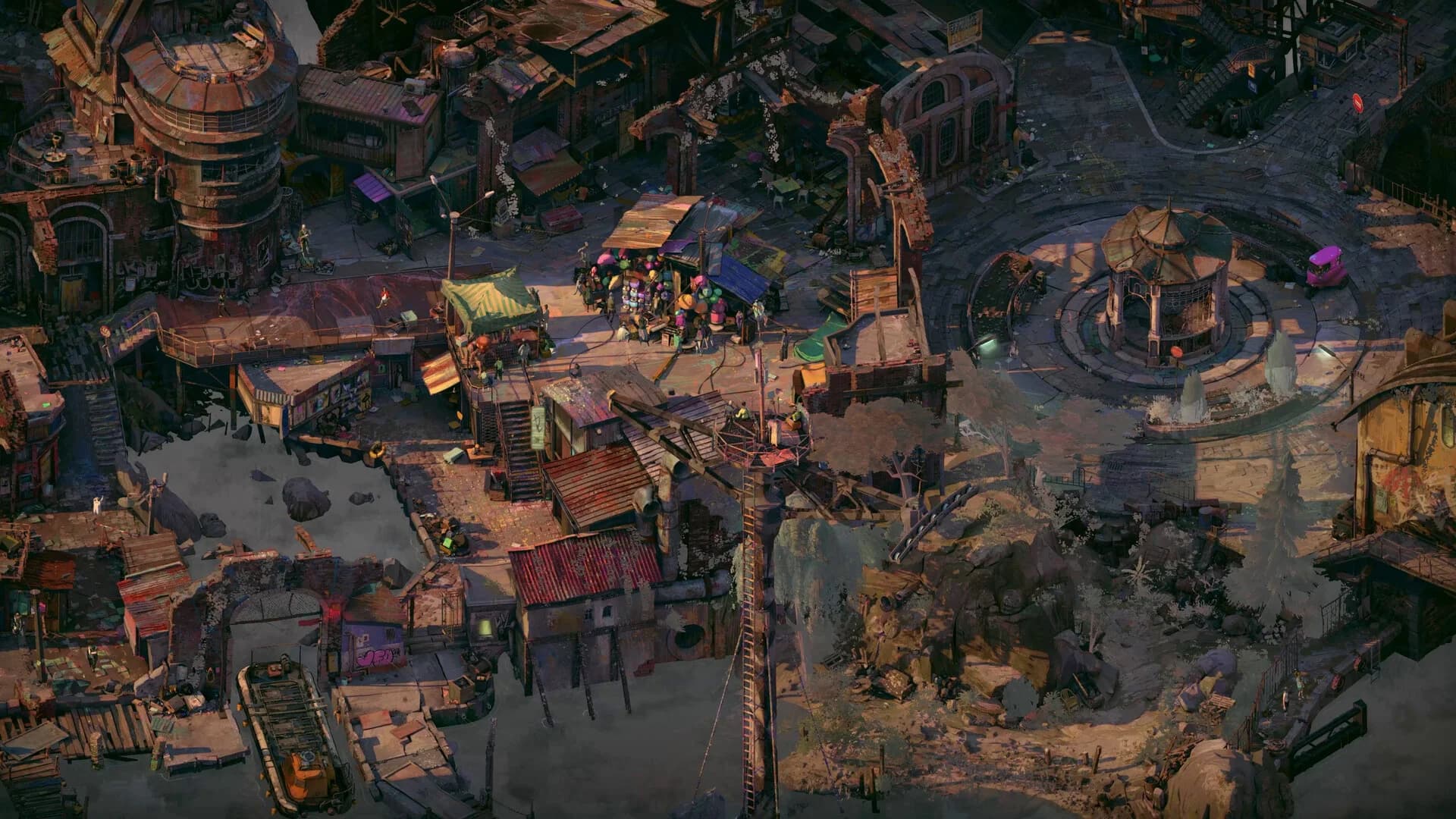
The official Features & Gameplay Trailer and Gameplay Deep Dive are useful because they show how ZA/UM wants players to understand the game before launch. The emphasis is on Portofiro, a returning operative, operant skills, encounters, and decisions under stress. The marketing does not frame ZERO PARADES as a pure visual novel, an action game, or a tactical squad RPG. It sits in a narrower space: a single-player narrative CRPG where the main mechanical questions are "what do you notice," "what can you say," "what are you willing to risk," and "what does failure do to the next scene."
That matters for guide planning. A responsible launch-day guide can explain the systems and prepare readers for how to think. It should not publish solved builds, best choices, ending routes, or achievement paths until the live game is tested. In a failure-forward RPG, a "best answer" may only be best for one character concept or one desired outcome. The early guide should teach the shape of the system, then convert into route advice once evidence exists.
Skills Conditioning And Checks
ZERO PARADES: For Dead Spies - Gameplay Deep Dive
ZA/UM - Gameplay deep dive
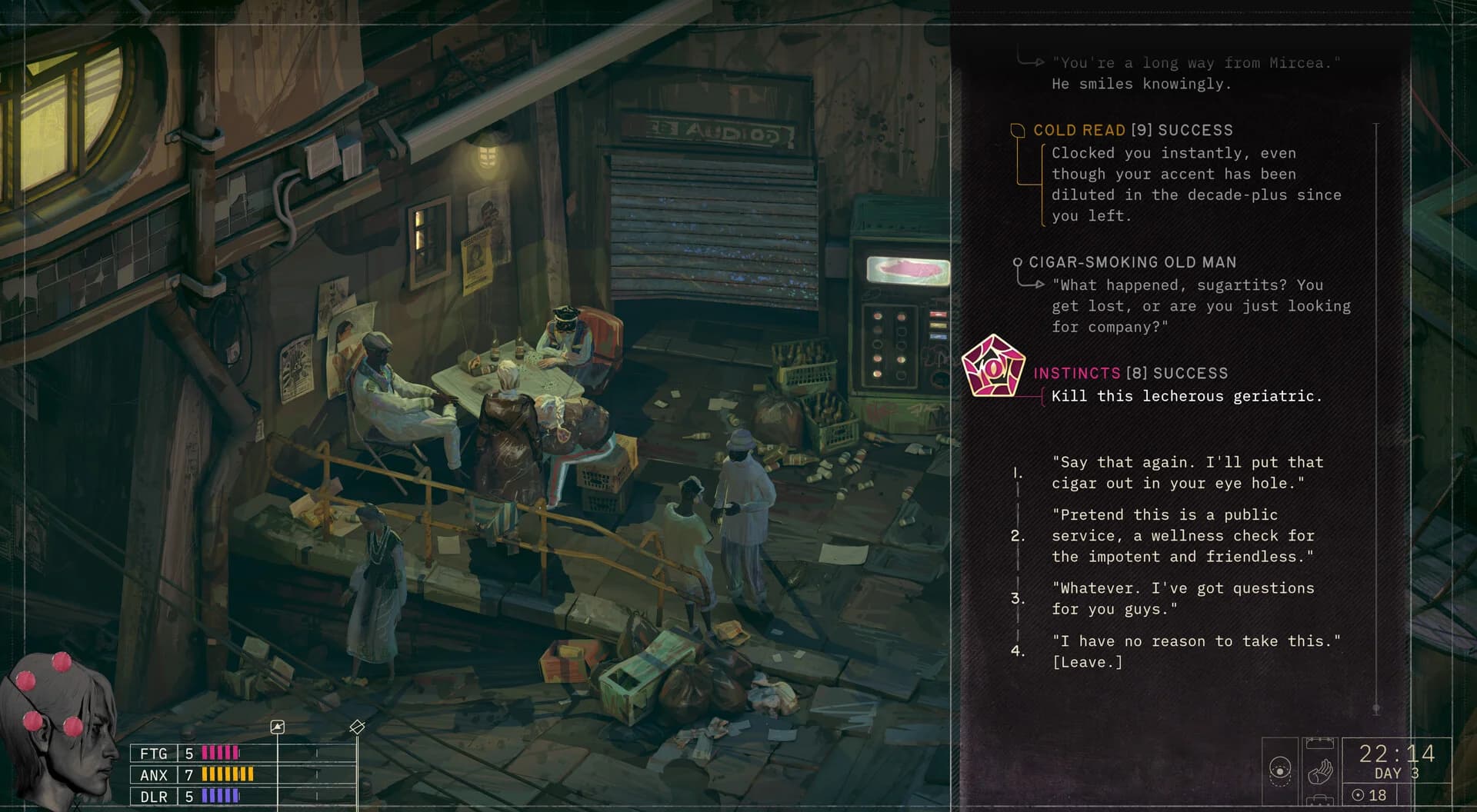
The official press page describes 15 unique operant skills and a system called Conditioning. The practical question for players is not just how many skills exist. It is whether skill investment changes what you notice, what dialogue options appear, how scenes resolve, and how much internal commentary you receive.
| Public system | What it likely answers for players | Verification status |
|---|---|---|
| 15 operant skills | Build identity and scene options | Official |
| Conditioning | How your spy profile develops under pressure | Official |
| Dice rolls | Uncertain outcomes in checks and scenes | Steam-listed |
| Failure-forward scenes | Whether a bad outcome can still continue the story | Steam-listed |
Skills in this kind of RPG should be treated as both mechanics and voice. A normal stat guide asks "which number is strongest." A ZERO PARADES skill guide should ask better questions: which skills open observation text, which skills create new dialogue, which skills help during Dramatic Encounters, which skills push you toward risk, and which skills change the tone of internal advice. Until players can test those outcomes, the safest guidance is conceptual. Pick skills that match the kind of spy you want to role-play, not only the build that looks efficient on a spreadsheet.
Conditioning also deserves caution. Public sources name it, but they do not fully expose how it scales, whether it can be reversed, whether it locks routes, or how strongly it modifies checks. If Conditioning reacts to repeated behavior, stress, or pressure states, it may make blind play more interesting than min-maxing. If it functions more like a conventional progression layer, then a later build guide can rank early choices. The current page should mark that as launch verification instead of pretending to know exact thresholds.
Dramatic Encounters And Tactical View
ZERO PARADES: For Dead Spies - Developer Showcase
ZA/UM - Developer showcase
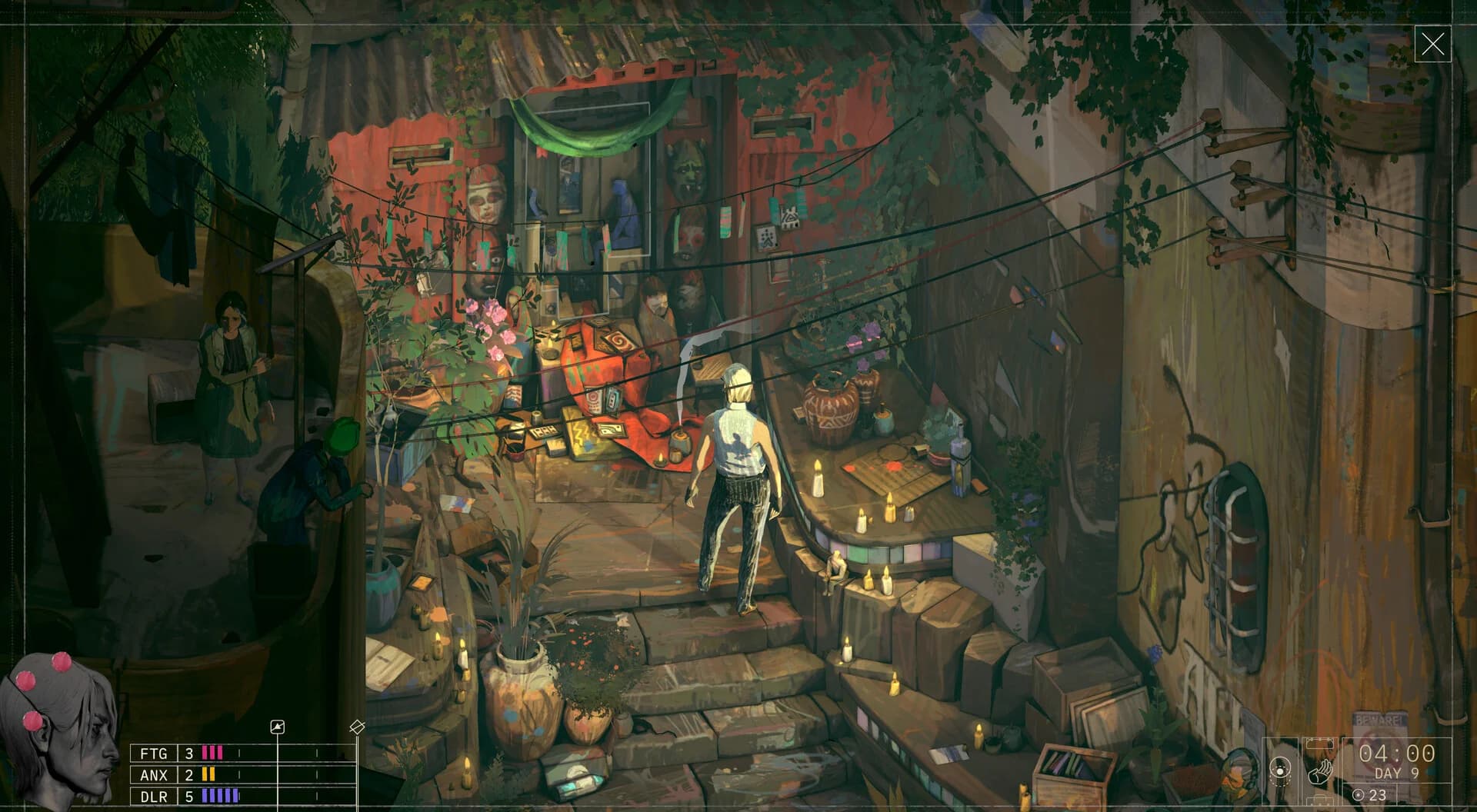
Official materials call out Dramatic Encounters and Tactical View. Steam describes Tactical View as a way to pause time, inspect the scene, and decide how to act. This is the main reason the game should not be covered like a normal dialogue-only RPG. There appears to be a readable encounter layer where positioning, options, and consequences matter.
The launch version should be tested for three things: whether Tactical View is used often enough to matter, whether it adds clarity or slows the game down, and whether different skill builds create meaningfully different encounter solutions.
For players, the best mental model is not "combat mode" yet. It is "decision mode." Tactical View sounds like a tool for stopping the rush of a scene, reading objects or people, and choosing an approach with better information. Dramatic Encounters sound like authored high-pressure scenes where the game cares about timing, context, and your current state. Those may include violence, deduction, escape, interrogation, stealth, or social pressure. They should be explained as a structure until the live game confirms the exact range.
| Encounter question | What launch testing should record |
|---|---|
| How often does Tactical View appear? | Frequency across the first three hours and later chapters |
| Does it pause fully? | Whether players can inspect without time pressure |
| Do skills change encounter options? | Compare at least two builds in the same scene |
| Are there fail states? | Whether failed choices continue, wound, lock, or redirect |
| Is controller support comfortable? | Menu navigation, camera movement, and option selection |
This is also where YouTube is especially helpful. Official showcase footage gives readers a visible reference for what the interface and pacing look like, while later creator videos will likely show solved routes. The written guide should embed the official videos now and add tested clips or timestamps only after release.
Pressure Exertion And Failure
ZERO PARADES: For Dead Spies - Gameplay Deep Dive
ZA/UM - Gameplay deep dive
ZERO PARADES: For Dead Spies - Features & Gameplay Trailer
ZA/UM - Official gameplay trailer
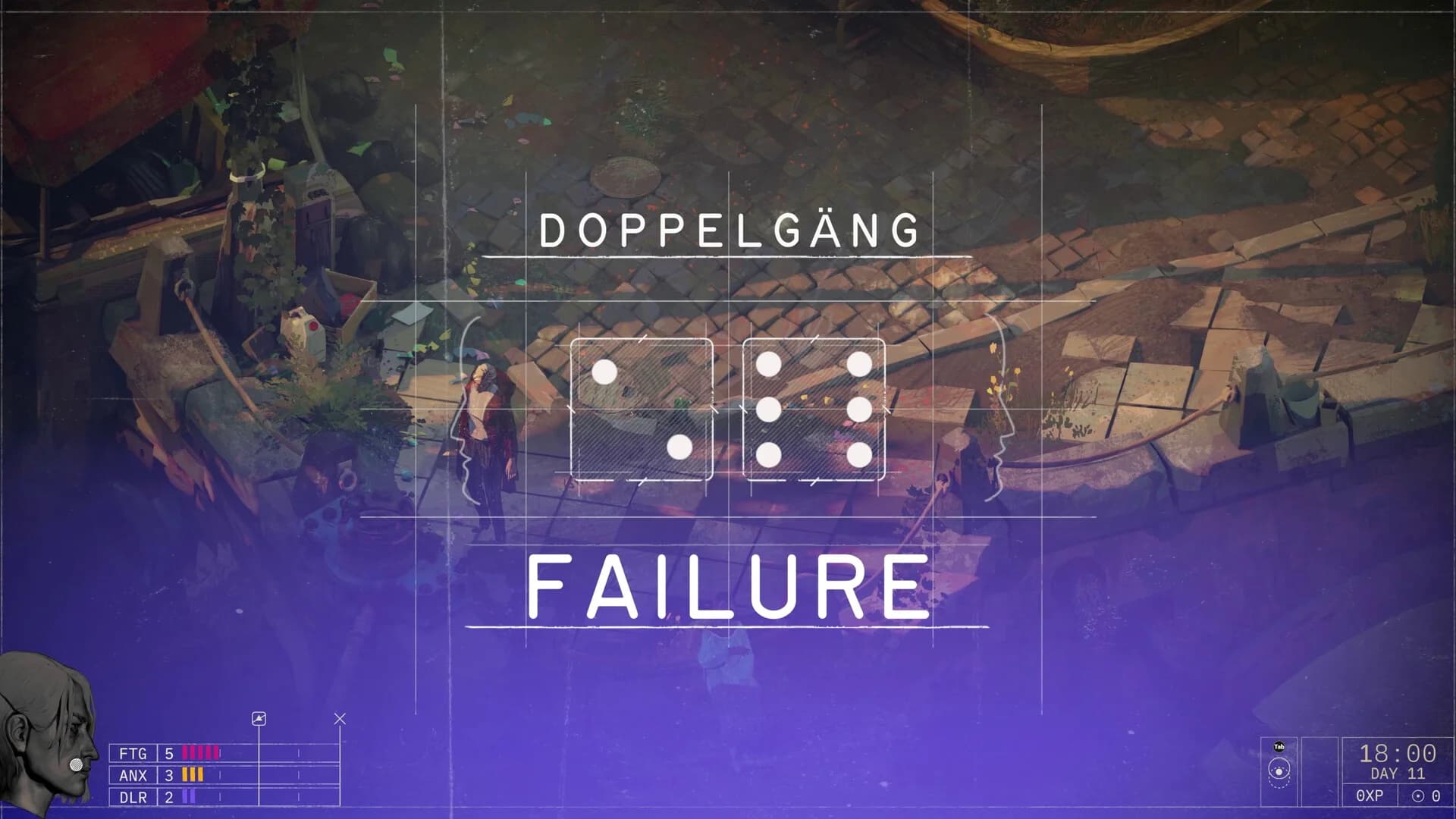
Steam references Pressures and Exertion, including Fatigue, Anxiety, and Delirium. That language suggests the game wants stress to be part of the role-playing system. Exertion appears to let players push dice odds at a cost, which is exactly the kind of mechanic that can create memorable consequences if balanced well.
The important point for players is that "failure-forward" does not mean "failure is always good." It means the game can keep moving after failure. A failed roll might cost health, add pressure, close a clean route, open a messier scene, alter a relationship, or reveal a different piece of information. Exertion is therefore a role-playing decision, not only a probability button. If you exert every time, you may create a spy who survives by burning themselves down. If you never exert, you may leave important opportunities on the table.
Launch testing should record specific examples without spoiling the whole game too early. The first update can use spoiler-safe categories: early social check, early Tactical View check, early pressure gain, early exertion cost, and whether the game explains recovery clearly. Later updates can split into dedicated pages for best builds, choices, endings, and achievement cleanup.
After release, this page should become a practical guide: when to exert, which pressure states are dangerous, whether failure closes routes, and how often a failed check produces useful story content rather than pure punishment. Until then, the best advice is to play deliberately. Read the scene, decide whether the outcome matters to your version of Hershel Wilk, and do not reload every failure unless you are testing a specific route.
Frequently asked questions
Does ZERO PARADES have combat?
Public materials emphasize Dramatic Encounters, Tactical View, subterfuge, violence, deduction, and dice-driven decisions rather than traditional action combat.
How many skills are in ZERO PARADES?
The official press page describes 15 unique operant skills.
Can you fail checks in ZERO PARADES?
Yes. Steam materials describe dice rolls and failure-forward outcomes where a bad roll can hurt but does not necessarily end the story.
Have questions or feedback? Join our community at r/enjoy4game.
Related guides
ZERO PARADES Release Date, Platforms, and Language Guide
A factual ZERO PARADES guide covering the May 21, 2026 PC release date, Steam/Epic/GOG storefronts, PS5 timing, Steam features, languages, and PC requirements.
Is ZERO PARADES Like Disco Elysium?
A careful comparison for Disco Elysium players, covering what ZERO PARADES appears to share, what is different, and why it should not be treated as a direct sequel.
Should You Buy ZERO PARADES at Launch?
A buyer-focused ZERO PARADES guide for launch-week players deciding whether to buy day one, use pre-release reviews, trust Steam Deck Verified, or wait for PS5 and player reports.