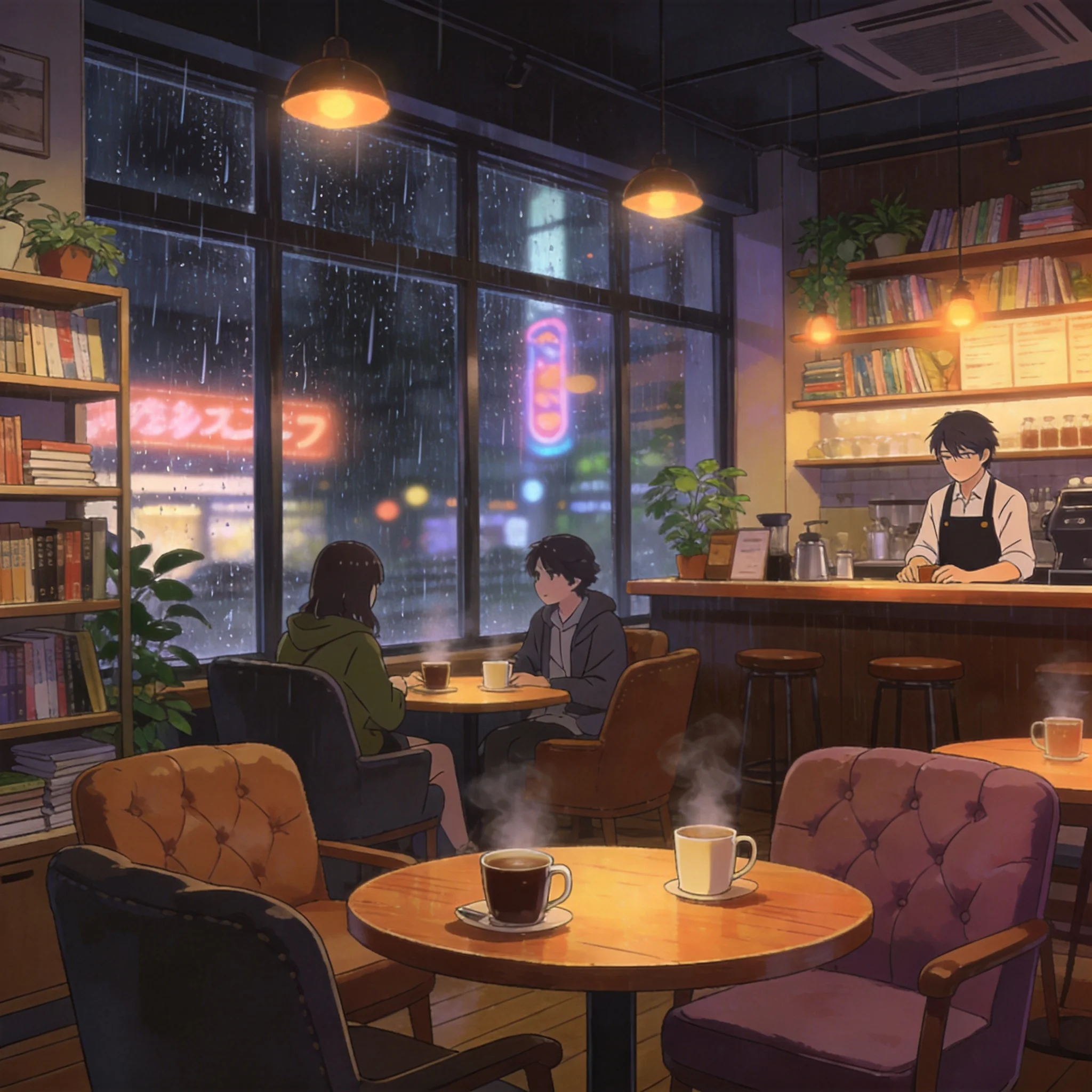
Coffee Talk Tokyo Beginner Night Shift Guide
A spoiler-light Coffee Talk Tokyo beginner guide for first-time players who want to enjoy the Tokyo cafe setting, track customer hints, use Tomodachill well, and avoid turning a cozy narrative game into checklist homework.
Reading flow
Use the table of contents to jump by section. Each major section keeps its own screenshot, table, or answer block in the same reading stream.
Video support
3 embedded YouTube guides are available below for side-by-side checking against the written route.
YouTube video guides
Swipe sideways to compare videos without losing the main guide.
Beginner Answer Summary
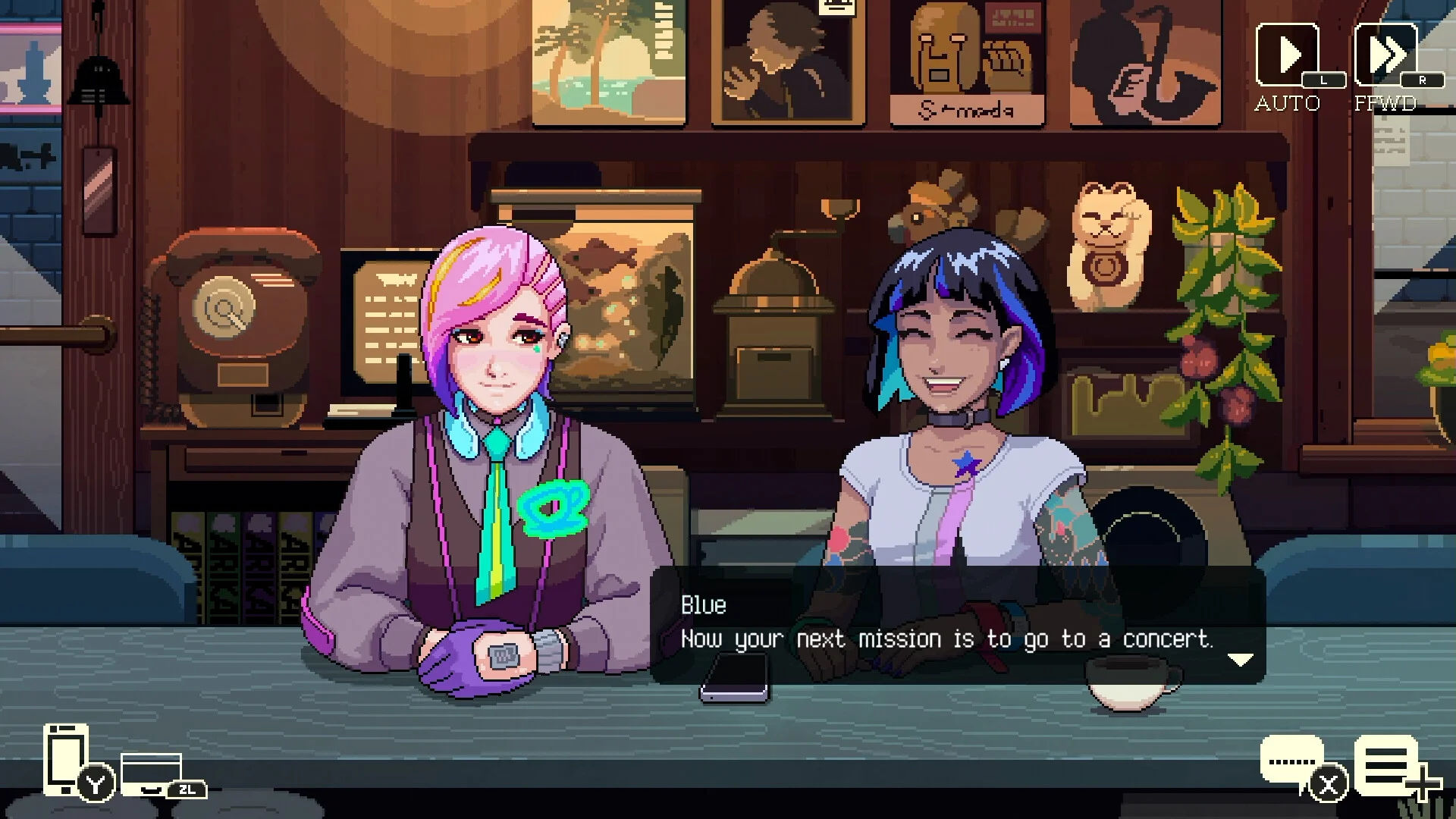
Coffee Talk Tokyo should be played like a night shift with emotional pattern recognition, not like a speedrun puzzle. If you are new to the series, the most useful beginner advice is to slow down, read every line carefully, and notice how customer requests, side remarks, and Tomodachill posts reinforce one another. The game is built around hospitality and observation. You are helping people through a difficult night, not simply combining ingredients in the right order.
This is a launch-eve guide set. It uses Steam, Chorus Worldwide pages, PlayStation Store details, official trailers, and official Steam news posts. Complete drink lists, final branching outcomes, full achievement conditions, demo save transfer, and full route maps need hands-on verification after release.
| First-run priority | Why it matters | Verification status |
|---|---|---|
| Read the request and the subtext | Customers often reveal more than the exact drink name | Official |
| Check Tomodachill between conversations | Social posts may add context that the spoken line does not carry alone | Official |
| Notice hot versus cold drink framing | Official demo messaging confirms cold drink options | Official |
| Keep simple notes, not massive spreadsheets | You want memory support without killing the vibe | Preview-reported |
| Avoid spoiler guides on night one | Character outcomes and later routes still need hands-on capture | Needs hands-on verification |
How to Read a Coffee Talk Night Properly
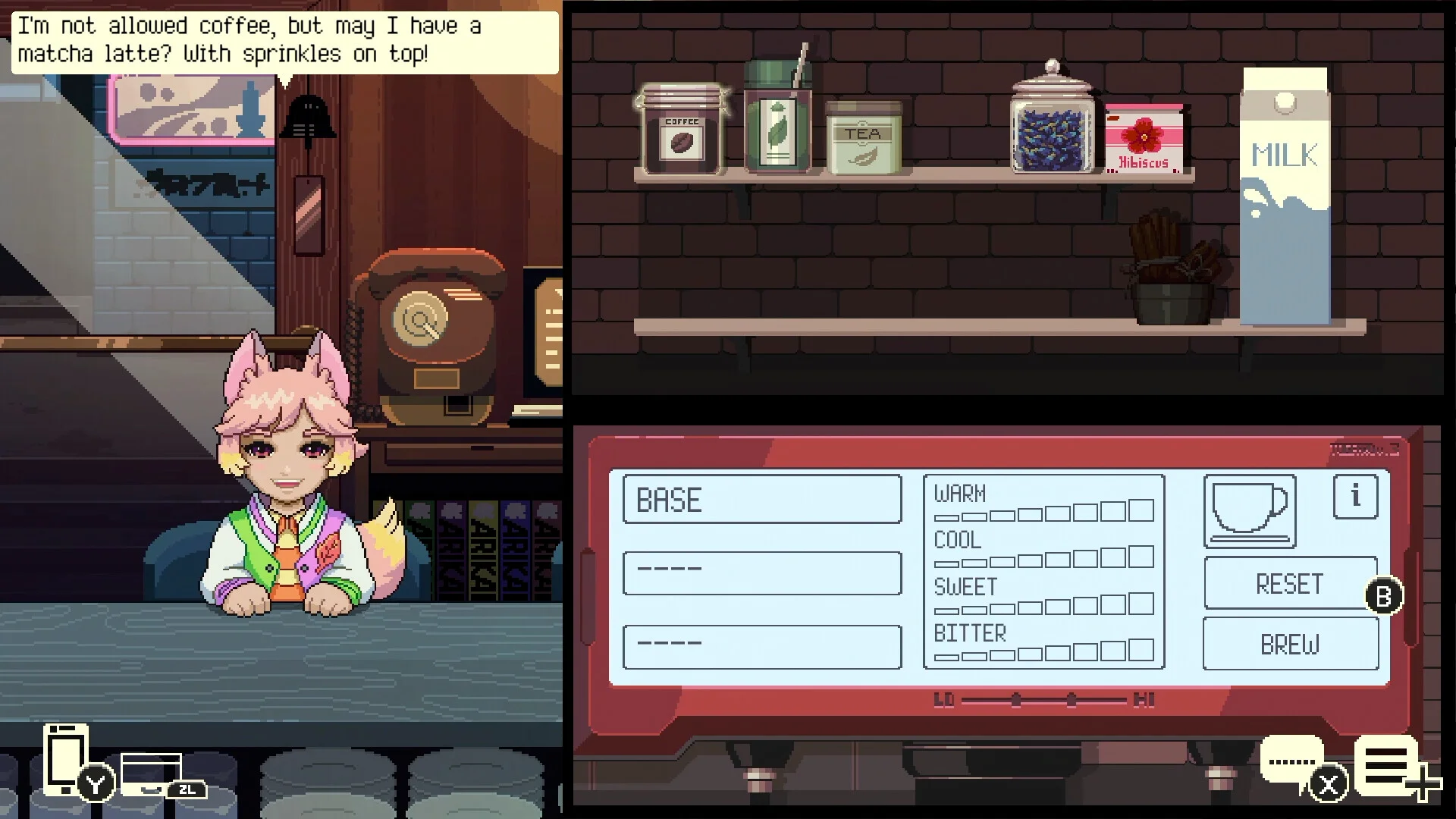
The best Coffee Talk sessions work when you pay attention to mood before optimization. Listen to what the customer is actually asking for, then listen again for what they are avoiding saying directly. A game like this lives in emotional gaps. Someone may present a drink order as a practical preference, but the conversation around it reveals stress, nostalgia, fear, or uncertainty. The Tokyo setting seems especially tuned for this because the official descriptions lean on a summer atmosphere where people are escaping the heat, carrying private burdens, and looking for a quiet place to think.
For beginners, that means a good routine is: read the spoken request, glance at Tomodachill, build the drink carefully, then watch the response without rushing the next line. Even if you know the prior Coffee Talk formula, the point here is not to brute-force memory from the earlier games. New tools such as clickable hashtags and stencil presentation mean the game wants you to engage with context more actively.
A Better First-Run Note-Taking System
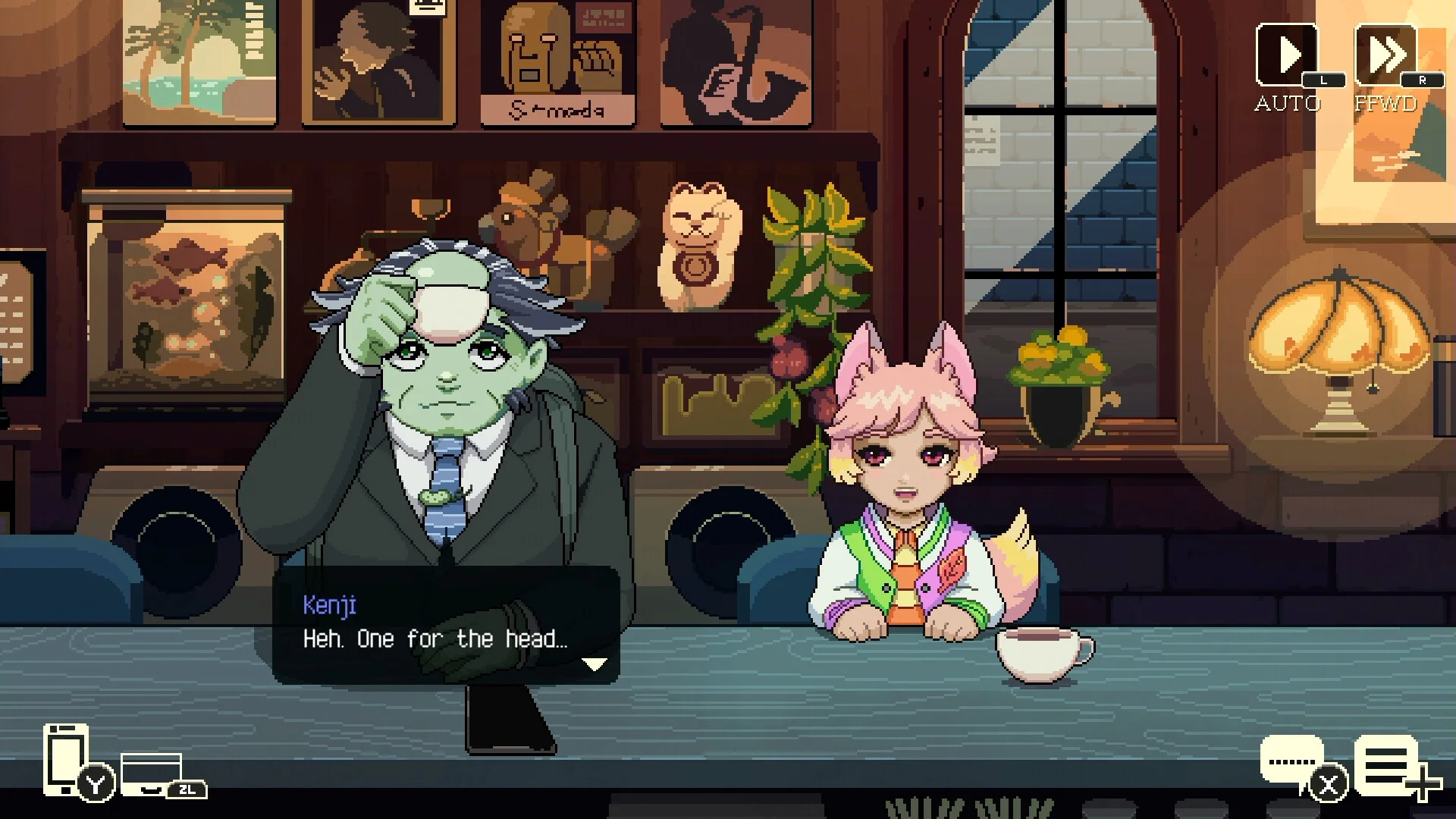
Players often overcomplicate note-taking in narrative comfort games. A giant route spreadsheet is not the best starting point. Instead, use a three-column note system:
| Note type | What to write | Example of a useful note |
|---|---|---|
| Customer cue | A short emotional or situational hint | "Kenji talks like retirement is a crisis, not a vacation." |
| Drink clue | Temperature, flavor, or presentation detail | "Cold request mattered more than exact tone." |
| Follow-up marker | Something to revisit if a customer returns | "Check hashtag after next scene." |
That style of note helps without stripping away the game's warmth. It also keeps your first run spoiler-light. You are tracking what the game is teaching you, not trying to reverse engineer every later consequence from minute one.
What to Avoid on Your First Playthrough
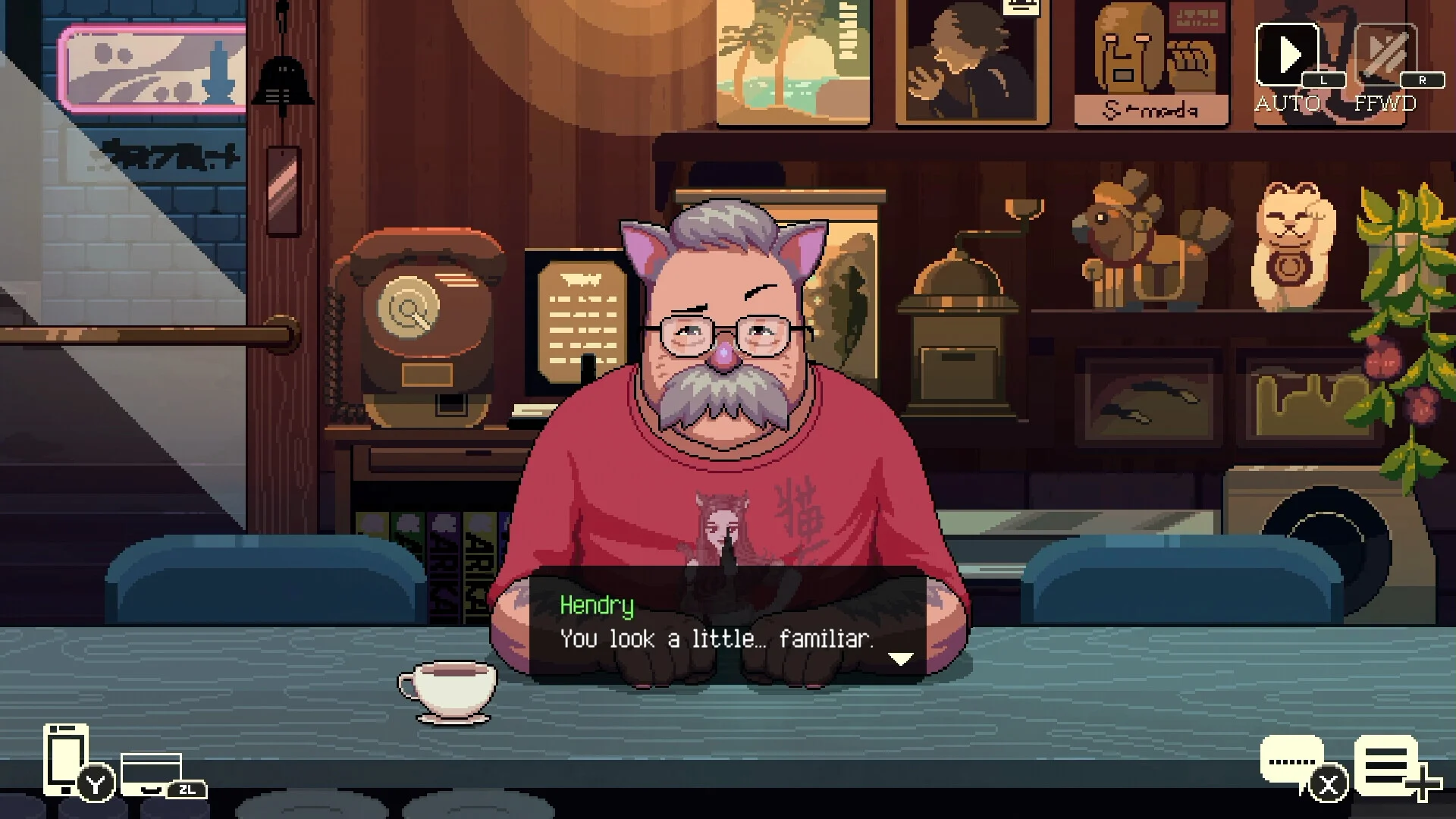
Do not begin by hunting a fake "perfect route" article. Coffee Talk Tokyo is still pre-release, so many exact route guides would have to invent information. More importantly, even a future accurate guide should probably not be your first stop. These games are memorable because they feel like conversations you shared, not boxes you checked.
Avoid three specific traps:
- Do not treat every drink scene as a pass-fail quiz.
- Do not skip Tomodachill because it looks like optional flavor text.
- Do not assume earlier-series habits cover every new Tokyo system.
If you want the highest-value first run, aim for understanding rather than completion. Learn the rhythm, recognize the new systems, and let your second pass become the cleaner route if the full release ends up rewarding that.
Frequently asked questions
Is Coffee Talk Tokyo a hard game for beginners?
No. The core challenge is observation and empathy, not fast execution. The best beginner habit is to read slowly and use short notes.
Should I use a guide on my first Coffee Talk Tokyo run?
Use factual release or demo guides, not full route spoilers. A first run works better when you discover the tone and customer dynamics naturally.
Do I need to play the previous Coffee Talk games first?
The Tokyo setting is built to stand on its own, though returning players will understand the broader universe more quickly.
Have questions or feedback? Join our community at r/enjoy4game.
Related guides
Coffee Talk Tokyo Release Date, Platforms, and Deluxe Edition Guide
A factual Coffee Talk Tokyo release date guide covering May 21, 2026, confirmed platforms, Steam features, PS5 preorder details, Deluxe Edition bonuses, demo scope, and what still needs launch verification.
Coffee Talk Tokyo Demo Length, Save Transfer, and What the Demo Confirms
A practical Coffee Talk Tokyo demo guide covering how much of the story the demo includes, what systems are already visible, what not to infer from a short slice, and whether save transfer is confirmed.
Coffee Talk Tokyo Drink Recipes Guide: What Is Safe to Publish Before Launch
A pre-release Coffee Talk Tokyo recipe guide explaining what is confirmed about hot and cold drinks, how to track recipes responsibly, and why a fake full drink database helps neither players nor search visibility.
Coffee Talk Tokyo Characters and Story Guide
A spoiler-light Coffee Talk Tokyo character guide covering Kenji, Vin, Ayame, the Tokyo setting, major story themes visible before launch, and how to talk about the cast without pretending the full route map is already solved.